
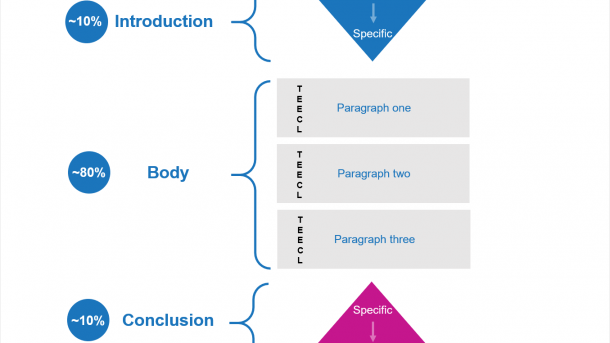
Introductions and conclusions are often the most underestimated parts of an MLA essay, yet they strongly shape how a paper is read and evaluated. An effective introduction frames the argument, guides the reader’s expectations, and establishes academic credibility. A well-crafted conclusion, in turn, demonstrates intellectual control, showing that the writer understands not only what was argued, but why it matters. This article explains how introductions and conclusions function in MLA essays, how they are structured, and how to write them with clarity, purpose, and confidence.
Why Introductions and Conclusions Matter in MLA Writing
In MLA-style essays, structure is not merely a formal requirement. It reflects how ideas are organized, justified, and communicated within the humanities. Instructors often form their first impression of a paper from the introduction and their final judgment from the conclusion. Weak openings or endings can undermine even strong body paragraphs.
Introductions and conclusions also signal the writer’s level of academic maturity. Clear framing, purposeful transitions, and thoughtful closure show that the essay is not just a collection of points, but a coherent argument shaped for a scholarly audience.
The Role of the Introduction in an MLA Essay
An introduction in an MLA essay performs three essential functions:
-
It situates the topic within a broader context.
-
It narrows the focus to a specific research question or argument.
-
It presents a clear thesis that guides the essay.
Unlike creative writing, MLA introductions are not designed to surprise or entertain for their own sake. Their goal is intellectual orientation: helping the reader understand what the essay is about and why it is worth reading.
Structural Elements of a Strong MLA Introduction
Context Before Argument
A common mistake is beginning an essay with a thesis that appears without context. Readers need to understand the background—historical, cultural, literary, or theoretical—before they can fully appreciate the claim.
For example, an essay analyzing symbolism in a novel might begin by briefly situating the work within its literary period or thematic tradition. This does not mean summarizing the entire history of the topic, but rather identifying the key framework within which the argument operates.
Focused Narrowing of the Topic
After establishing context, the introduction should gradually narrow its scope. This movement from general to specific mirrors academic reasoning. Broad claims give way to precise questions, tensions, or debates that the essay addresses.
This narrowing process signals purpose. It shows the reader that the essay is not descriptive, but analytical, responding to a clearly defined issue.
The Thesis Statement
The thesis is the intellectual anchor of the introduction. In MLA essays, it is typically placed near the end of the opening paragraph, though its exact position may vary.
A strong thesis is:
-
Specific rather than vague
-
Arguable rather than factual
-
Focused rather than overloaded
For instance, instead of stating that a novel “explores themes of identity,” a stronger thesis would specify how identity is constructed, challenged, or transformed within the text.
Common Introduction Strategies in MLA Essays
Analytical Framing
This approach introduces a critical idea or problem rather than a topic. It works especially well in literary analysis and cultural studies.
Example:
Instead of opening with a summary of a text, the introduction begins by highlighting a tension, contradiction, or recurring question that the essay will resolve.
This strategy signals analytical depth and immediately positions the essay within scholarly conversation.
Contextual-Historical Opening
Here, the introduction situates the topic within a historical or cultural moment. This is effective when analyzing texts shaped by social conditions, political movements, or intellectual traditions.
The key is relevance. Historical context should directly support the thesis, not function as background filler.
Conceptual Definition
Some essays begin by clarifying a key concept or term that is central to the argument. This is common in theoretical or interdisciplinary writing.
By defining the concept early, the writer ensures that readers understand how it will be used throughout the essay.
What to Avoid in MLA Introductions
Several patterns consistently weaken introductions:
-
Overly broad statements about “human nature” or “society”
-
Dictionary definitions that add little analytical value
-
Long plot summaries
-
Announcements of structure such as “This essay will discuss…”
These approaches delay the argument and suggest uncertainty. MLA introductions should be purposeful, not procedural.
The Function of Conclusions in MLA Essays
If introductions open intellectual space, conclusions close it meaningfully. A conclusion does not simply repeat the thesis or summarize body paragraphs. Its purpose is synthesis and implication.
In MLA writing, conclusions typically do three things:
-
Reaffirm the central argument in light of the analysis.
-
Show how the argument deepens understanding of the topic.
-
Indicate why the discussion matters beyond the essay itself.
A strong conclusion leaves the reader with a sense of resolution and significance.
Structural Elements of an Effective Conclusion
Reframing the Thesis
Rather than restating the thesis verbatim, the conclusion revisits it with added insight. The writer shows how the argument has evolved through evidence and analysis.
This reframing demonstrates intellectual progress. It suggests that the essay has not merely defended a claim, but refined it.
Synthesis of Key Ideas
Conclusions often draw connections between major points without listing them mechanically. The goal is to show how different strands of analysis work together.
This synthesis reinforces coherence and highlights the internal logic of the argument.
Broader Implications
The final movement of a conclusion often looks outward. This does not mean introducing new evidence, but rather reflecting on the significance of the findings.
For example, a literary analysis might suggest how a particular reading reshapes interpretation of a genre, period, or theme. A cultural essay might point to broader social or ethical implications.
Common Conclusion Strategies in MLA Essays
Reflective Closure
This approach emphasizes insight and interpretation rather than summary. It is especially effective in humanities essays where meaning and perspective are central.
The conclusion reflects on what the analysis reveals about the text or issue as a whole.
Theoretical or Conceptual Expansion
Some conclusions return to a concept introduced earlier and show how the essay has complicated or enriched it. This creates a sense of intellectual symmetry.
Forward-Looking Implication
In this strategy, the conclusion gestures toward further questions, debates, or areas of inquiry. This signals that the essay participates in an ongoing scholarly conversation.
What to Avoid in MLA Conclusions
Weak conclusions often fall into predictable traps:
-
Introducing new arguments or evidence
-
Apologizing for limitations of the essay
-
Ending abruptly without synthesis
-
Using formulaic phrases such as “In conclusion”
Such endings suggest that the writer is finishing out of obligation rather than purpose.
The Relationship Between Introduction and Conclusion
Strong MLA essays create a dialogue between their opening and closing sections. The conclusion should feel like a response to the introduction, not a disconnected summary.
If the introduction poses a question, the conclusion answers it. If the introduction identifies a tension, the conclusion resolves or reframes it. This structural coherence reinforces the essay’s argumentative integrity.
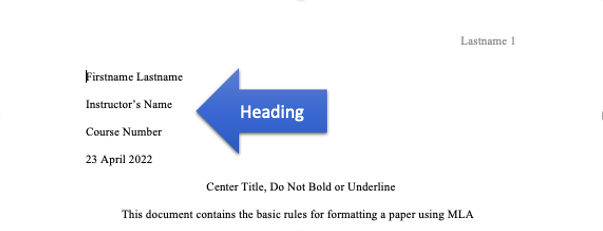
MLA Formatting Considerations
While introductions and conclusions are governed primarily by rhetorical principles, MLA formatting still applies. Both sections should follow standard MLA guidelines:
-
Double-spaced text
-
Consistent font and margins
-
No separate headings labeled “Introduction” or “Conclusion”
Introductions and conclusions are integrated seamlessly into the essay’s body rather than treated as standalone components.
Revision Tips for Stronger Openings and Endings
Revising introductions and conclusions after completing the body of the essay often leads to better results. Writers frequently gain clarity about their argument during drafting, making early versions of introductions incomplete or misaligned.
Effective revision strategies include:
-
Checking whether the thesis truly reflects the essay’s argument
-
Ensuring that the conclusion addresses what the essay actually demonstrates
-
Removing unnecessary generalizations
-
Strengthening transitions between ideas
Thoughtful revision transforms functional openings and endings into persuasive ones.
Key Takeaways
-
Introductions frame the argument and guide reader expectations.
-
MLA introductions move from context to focus to thesis.
-
Strong theses are specific, arguable, and analytical.
-
Conclusions synthesize ideas rather than repeat them.
-
Effective endings highlight significance and implications.
-
Introductions and conclusions should mirror and respond to each other.
-
Avoid formulaic language and procedural announcements.
-
Revision is essential for alignment and clarity.
Conclusion
Writing strong introductions and conclusions in MLA essays is not about following rigid formulas, but about understanding academic purpose. Introductions orient readers within a scholarly conversation, while conclusions demonstrate what the argument ultimately achieves. When these sections are written thoughtfully, they enhance clarity, credibility, and intellectual impact. Mastery of introductions and conclusions allows an MLA essay to begin with confidence and end with authority, leaving the reader with a clear understanding of both the argument and its significance.