Conducting a large research project requires not only gathering information but also managing it effectively. Proper organization of notes and bibliographies is essential for maintaining clarity, avoiding plagiarism, and ensuring that your writing process is efficient. The Modern Language Association (MLA) style provides structured guidelines for citations, which, when combined with thoughtful note-taking strategies, supports scholarly rigor. This article explores how to organize notes, manage sources, and construct bibliographies for extensive projects using MLA conventions.
The Importance of Organized Notes in Research
Effective research begins with clear, organized notes. Large projects often involve dozens, if not hundreds, of sources, making unstructured note-taking overwhelming. Organized notes offer several advantages:
-
Clarity of thought: Grouping information by topic, theme, or argument allows writers to see connections and patterns.
-
Efficiency: Well-structured notes reduce time spent searching for information and streamline the drafting process.
-
Citation accuracy: Proper note organization ensures that source details are recorded immediately, reducing the risk of errors in MLA citations.
-
Academic integrity: Maintaining precise records prevents unintentional plagiarism, as each idea can be traced to its source.
In large projects, even small lapses in organization can cascade into major complications. Therefore, establishing a consistent note-taking system from the outset is critical.
Methods for Organizing Notes
Digital Tools vs. Physical Notes
Researchers can choose between digital and physical note systems, or combine both:
-
Digital Notes: Software such as Evernote, OneNote, or Notion allows tagging, hyperlinking, and searchability. Digital notes are easily updated, backed up, and shared in collaborative projects.
-
Physical Notes: Traditional notebooks, index cards, or binders can be effective for those who prefer tactile engagement. Physical systems can be organized by themes, source types, or chapter outlines.
Each method has strengths. Digital tools excel in retrieval speed and cross-referencing, while physical notes encourage deeper engagement with material. Many scholars adopt a hybrid approach, using physical notes for active reading and digital systems for long-term organization and citation management.
Categorization and Tagging
Categorizing notes improves retrieval and synthesis:
-
Thematic Organization: Group notes according to themes, research questions, or argument strands.
-
Source Type: Separate notes from books, articles, websites, and multimedia.
-
Priority or Relevance: Highlight essential sources or particularly strong evidence for easy reference during drafting.
Tagging digital notes enables multilayered organization, allowing one note to belong to multiple categories, which is particularly useful in interdisciplinary projects.
Maintaining Source Details
Every note should contain full source information:
-
Author(s)
-
Title of work
-
Publisher
-
Publication date
-
Page numbers (if applicable)
-
URLs or DOIs for digital sources
Including these details at the time of note-taking ensures that MLA citations can be generated efficiently without returning to the source. This practice is especially important in large projects, where returning to hundreds of sources can be time-consuming.
Constructing a Comprehensive MLA Bibliography
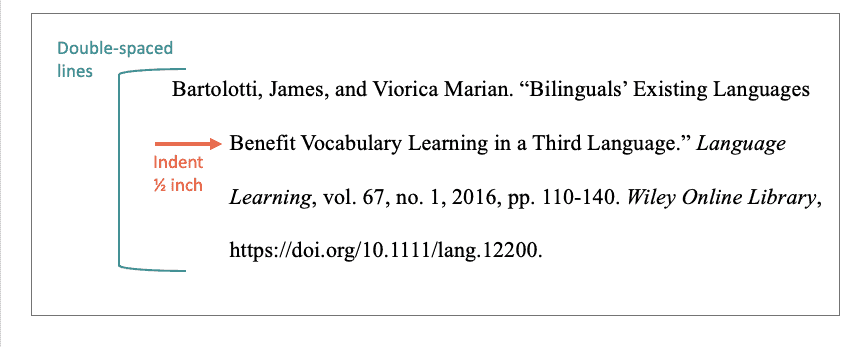
Structure of an MLA Works Cited Page
MLA’s Works Cited page provides a standardized format for listing sources. Key elements include:
-
Author: Last name, followed by the first name. Multiple authors are formatted according to MLA rules.
-
Title of Work: Enclosed in quotation marks for articles, italics for books or websites.
-
Container: If the source is part of a larger work (e.g., a journal or anthology), the container title is italicized.
-
Publisher: Include the publisher, particularly for books and digital platforms.
-
Publication Date: Exact date of publication is preferred.
-
Location: Page numbers, DOI, or URL.
Maintaining consistency in these elements across dozens of sources is essential for a polished, professional bibliography.
Handling Complex Sources
Large research projects often involve unconventional sources such as podcasts, digital archives, or multimedia content. MLA provides guidelines for these cases, but careful attention is required:
-
Online Databases: Include database name, URL, and access date if content is likely to change.
-
Multimedia: Videos, audio files, and presentations require proper attribution of creator, title, platform, and date.
-
Archival Material: Include collection name, repository, and location details to ensure traceability.
Recording these details during note-taking simplifies bibliography construction and ensures compliance with MLA rules.
Integrating Notes and Bibliographies into Writing
Creating a Workflow
A structured workflow ensures that notes and bibliographies support the writing process rather than hinder it:
-
Initial Research: Collect notes with full source details.
-
Categorization: Organize notes by theme, source type, or argument strand.
-
Outline Development: Use organized notes to construct essay or chapter outlines.
-
Drafting: Insert in-text citations as notes are incorporated into the draft.
-
Bibliography Compilation: Transfer source details from notes to the Works Cited page, verifying accuracy and MLA compliance.
-
Revision: Cross-check in-text citations against the Works Cited page to ensure consistency.
Following this workflow minimizes errors and streamlines the integration of large volumes of research into cohesive writing.
Using Reference Management Software
Reference managers such as Zotero, Mendeley, or EndNote enhance note organization and bibliography creation:
-
Automatic Citation Generation: Convert stored notes into MLA-formatted citations.
-
Source Tagging: Group references by theme or project section.
-
Collaboration: Share source libraries with research teams.
-
Search and Retrieval: Quickly locate sources when drafting or revising.
Such tools are particularly useful for extensive projects with multiple contributors or large numbers of sources.
Common Challenges in Large Research Projects
Managing Volume
Large projects can involve hundreds of sources, increasing the likelihood of oversight. Consistent note-taking, categorization, and digital backups are critical for managing scale.
Maintaining Accuracy
Errors in recording author names, titles, or publication details can propagate through notes and bibliographies. Verification against original sources is necessary to maintain academic integrity.
Adapting to Multiple Source Types
As projects grow in complexity, researchers encounter books, journal articles, websites, multimedia, and archival documents. Tailoring notes to the specific MLA formatting requirements of each source type requires careful attention.
Collaboration and Consistency
In team projects, maintaining uniform formatting, note structure, and citation style across contributors is essential. Shared digital platforms and agreed-upon standards mitigate inconsistencies.
Best Practices for Effective Note and Bibliography Management
-
Record Full Source Information Immediately: Avoid retroactive reconstruction of citations.
-
Use Consistent Formatting: Apply MLA rules uniformly across all notes and bibliography entries.
-
Organize Notes Thematically or by Research Question: Enhances synthesis during drafting.
-
Utilize Digital Tools for Searchability and Collaboration: Leverage software for tagging, cross-referencing, and automated citation generation.
-
Maintain Backups: Protect against data loss with cloud storage or redundant physical copies.
-
Cross-Check Notes and Bibliography: Ensure in-text citations align with the Works Cited page.
-
Update as Needed: Reflect revisions, corrections, and newly discovered sources promptly.
Applying these practices enhances efficiency, accuracy, and scholarly credibility.
Key Takeaways
-
Organized notes improve clarity, efficiency, and citation accuracy in large research projects.
-
Digital tools and reference management software streamline note-taking and MLA bibliography creation.
-
Properly structured MLA Works Cited pages accommodate diverse source types, including digital and multimedia sources.
-
Consistency in formatting and source details is essential to maintain academic integrity.
-
A structured workflow integrates notes and bibliographies into drafting and revision processes.
-
Verification of author names, titles, dates, and URLs prevents citation errors.
-
Collaboration benefits from shared platforms and standardized note-taking practices.
-
Effective note and bibliography management reduces cognitive load and supports high-quality academic writing.
Conclusion
Large research projects demand meticulous organization of notes and bibliographies to ensure clarity, efficiency, and scholarly rigor. MLA style provides a structured framework for documenting sources, while strategic note-taking methods—whether digital, physical, or hybrid—facilitate information management and citation accuracy. By implementing organized workflows, leveraging reference management tools, and adhering to MLA conventions, researchers can navigate complex projects with confidence. Mastery of these practices supports intellectual integrity, enhances the quality of academic work, and enables researchers to focus on analysis, synthesis, and the development of compelling arguments.